


Pendant lights hold immense transformative power. They are often the single most important decorative lighting element in a contemporary space. For architects and designers, pendant lighting acts as both a sculptural focal point and a precise task light. This makes them indispensable for US luxury homes, especially over kitchen islands and dining tables. This guide will detail the key architectural principles for their selection and placement.
I. The Dual Function of the Pendant Fixture
A high-end pendant must excel in two distinct roles. Firstly, it must provide focused illumination for the surface below. Secondly, it must anchor the room aesthetically.
A. Task and Ambient Light
The primary role is functional. Therefore, the pendant must deliver high-quality light (high CRI) directly onto the workspace. This is crucial for food preparation in the kitchen. Furthermore, the fixture itself provides a layer of ambient light. This light contributes to the overall room glow.
B. Defining Architectural Scale
A pendant is instrumental in defining a room’s scale. For example, a single, oversized sculptural piece can fill a large void. Conversely, a series of identical, smaller pendants establishes a clean, modern rhythm. This choice depends entirely on the architecture of the space.
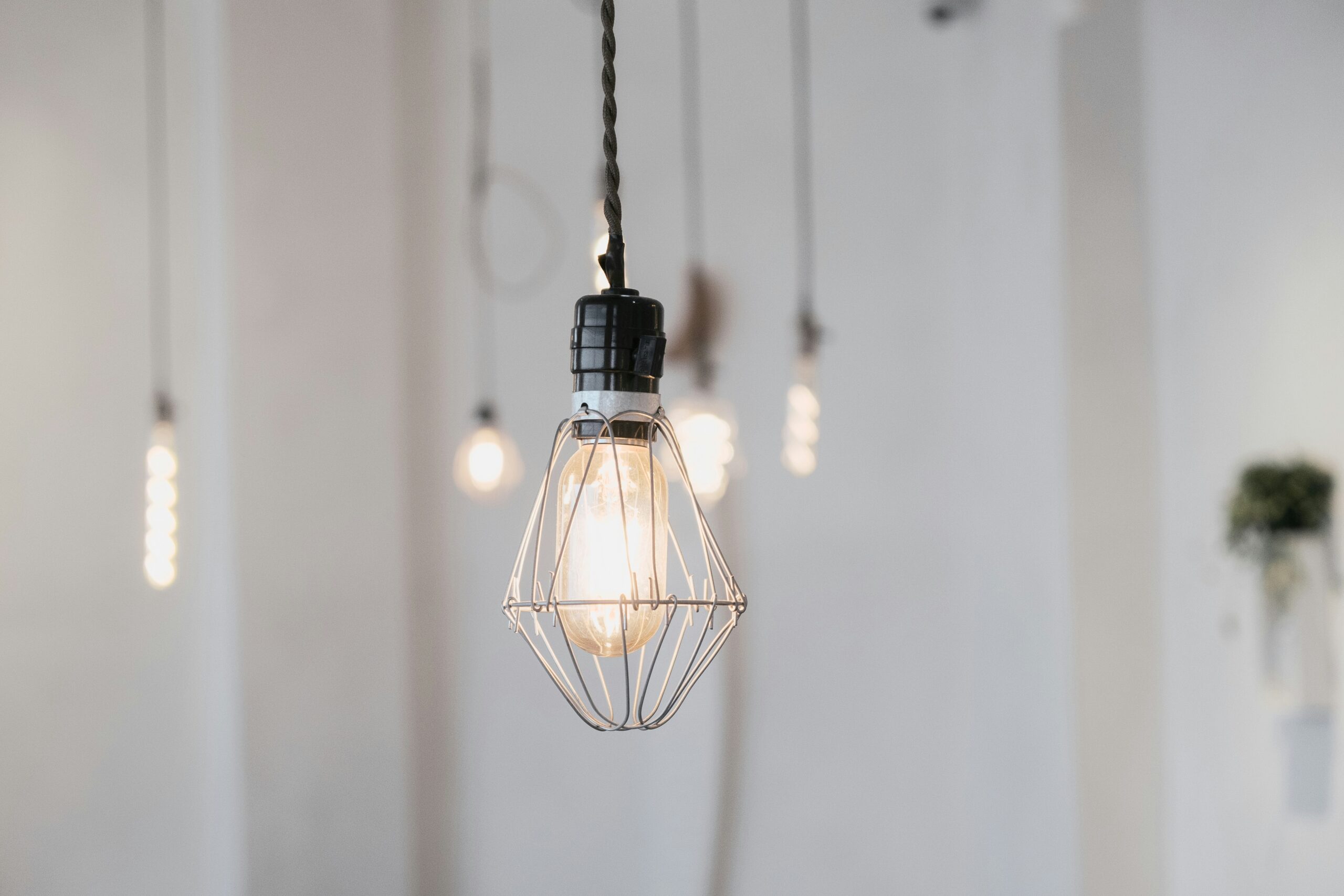
2. Mastering Height and Scale: Precision Placement
Incorrect height or size can ruin the visual flow of an entire open-plan area. Thus, precise measurements are non-negotiable in architectural design.
| Placement Area | Ideal Height (Bottom to Surface) | Design Rationale |
| Kitchen Island | 30–36 inches above the counter. | This height maintains clear sightlines. Moreover, it focuses light directly onto the task surface. |
| Dining Table | 28–32 inches above the tabletop. | In addition, this lower height creates an intimate, focused circle of light. It avoids blocking conversation. |
Pro Tip: Always consider the ceiling height. If the ceiling is over 10 feet, the pendant may be hung slightly higher. However, never compromise on the functional clearance above the surface.
3. Grouping and Cluster Design with Pendant Lights
Modern design frequently utilizes multiple pendant fixtures. This creates visual drama and balances long surfaces.
A. Linear Arrangement Over Islands
Long kitchen islands demand linear arrangement. Typically, pendants should be spaced evenly across the surface. Ensure the outer fixtures hang slightly inside the island’s edges. This creates a balanced, framed look. Therefore, if your island is 8 feet long, two larger pendants or three smaller ones are usually ideal.
B. Asymmetrical Clustering
In entryways or stairwells, designers often use asymmetrical clusters. In this scenario, varying the height of the pendants adds dynamic movement. Use the same model of light in different sizes. Consequently, the fixtures become a stunning, three-dimensional light sculpture.
A well-chosen architectural pendant transforms a functional area into a captivating space. It is truly the defining element of modern lighting design.