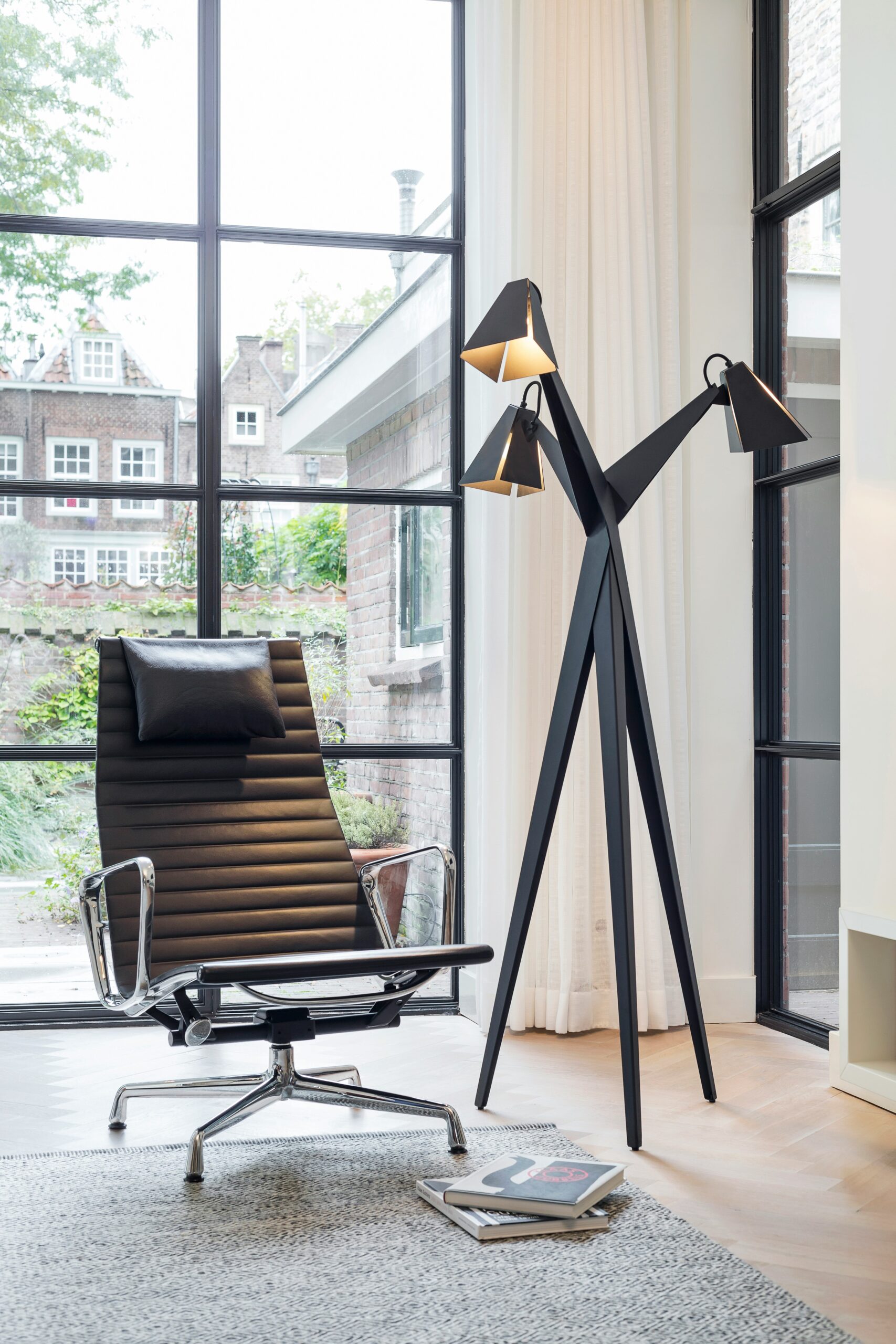
Modern lighting design has evolved dramatically. Today, the floor lamps of choice are powerful, sculptural pieces. They provide essential layered light in a way ceiling fixtures cannot. For US designers and luxury homeowners, selecting an architectural floor lamp is a vital decision. They offer height, personality, and crucial flexibility, making them perfect for large living rooms and open-plan spaces.
1. Why Floor Lamps Define Modern Space
Floor lamps solve common design problems beautifully. Firstly, they add a much-needed vertical element to a room. This balances the dominant horizontal lines of sofas and tables. Secondly, they eliminate the need for permanent wiring. This makes them ideal for renters or spaces that require frequent layout changes.
A. The Three Essential Forms
The architectural style of a floor lamp is defined by its form. Therefore, choose a form that complements your room’s function.
The Arc Lamp (or Boom Lamp):
This style features a sweeping, curved arm. Consequently, it allows light to be suspended over a seating area. They mimic the effect of a pendant without ceiling installation. Moreover, arc lamps are superb for lighting a floating sofa.
The Tripod Lamp:
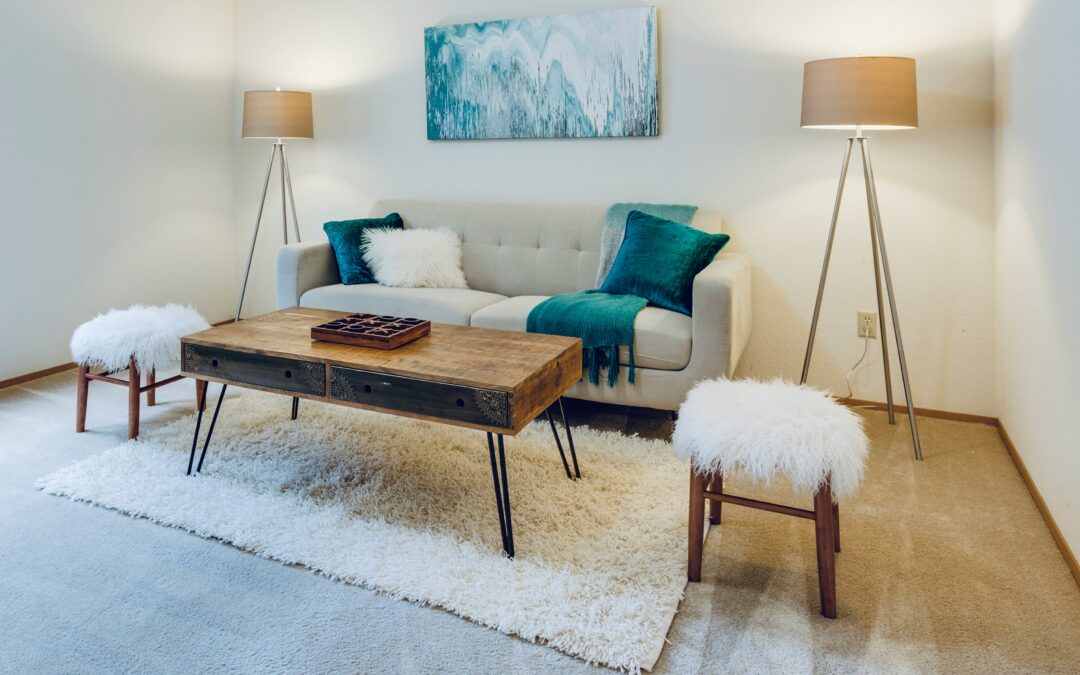
Tripod bases are instantly recognizable. They introduce a clean, mid-century modern aesthetic. Furthermore, their three-legged base provides excellent stability. They are often paired with simple, oversized drum shades.
The Task Floor Lamp:
Task lamps feature fully adjustable or hinged arms. They provide highly focused light. Thus, they are essential for reading nooks and home libraries. They blend high function with a sleek, minimalist look.
2. Strategic Placement for Layered Lighting
Effective placement is key to maximizing the impact of your floor lamps. They should fill lighting gaps left by primary fixtures.
-
Defining Zones: In open-plan living areas, use a towering floor lamp to create a visual boundary. For instance, placing one behind a sectional can define the “living” zone.
-
Balancing Visual Weight: If you have heavy, low furniture, a tall, slender lamp adds lightness. This balances the room’s visual weight. Conversely, a large arc lamp can balance a bold feature wall.
-
Highlighting Verticality: Use an uplight floor lamp to bounce light off the ceiling. As a result, the room feels taller and more expansive. This trick works wonderfully in rooms with lower ceilings.
3. Quality and Longevity in Architectural Floor Lamps
A high-end floor lamp must be a long-term investment. Its construction quality is paramount.
A. The Importance of Materials
The best designer floor lamps use durable, quality materials. Look for bases made of heavy, solid stone or metal. This ensures they will not tip over. Furthermore, the metal finishes (e.g., brushed nickel, solid brass) should be flawless and scratch-resistant. These details distinguish a luxury product.
B. Functional Excellence
Functionality goes beyond just the light bulb. In addition, consider integrated smart features.
-
High-Quality Dimming: Seamless dimming is crucial for mood setting. Ensure the controls (rotary or foot-switch) are robust and quiet.
-
Integrated Light Sources: Many modern fixtures use integrated LED technology. This offers superior light quality (high CRI). However, it means the bulb is not replaceable. Choose reputable brands for longevity.
The right floor lamp completes an interior design story. It adds a powerful vertical line and ensures every corner of the room is illuminated with intention.